
A deeper look into the fictional story of a family business still affected by the recession.
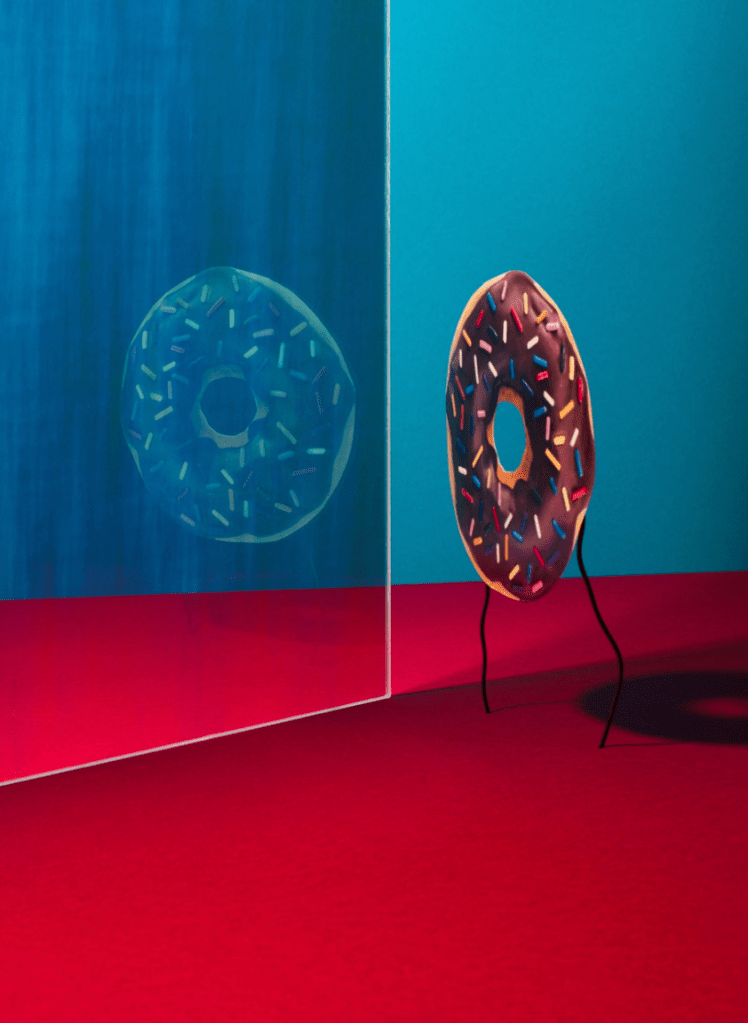
The New Yorker is a publication I have always admired, with the “Flash Fiction” section being one of my favorites. Reading is an ideal past time, but there are not enough hours in the day to finish the books on my ever-growing list.
“Flash Fiction” is the perfect anecdote for an avid reader with no time. The column is filled with short stories, essays, and memoirs—the archives are endless.
“Three Women of Chuck’s Donuts” by Anthony Veasna So was trending this week on the New Yorker’s website, and I was intrigued by the title alone. The author states it was a five year process of rewriting. Whose Chuck, and why does it matter if he has donuts?
I learned that Chuck is not the protagonist of this story, but Sothy, a Cambodian woman who thought having an American name for her business would bring in more customers.
The story begins in a common setting of a gloomy diner on a street corner. A man comes in and buys a fritter. A simple act, but the only business the two sisters running the register have seen in hours.
“The man ignores them both, sits down at a booth, and proceeds to stare out the window, at the busted potential of this small city’s downtown.”
The sister relationship is human and humorously accurate. The little bothering the older with pestering questions empty because the one truth is that they are longing for their older siblings attention.
The man continues to come into the shop late in the night, and the family is uneasy by his odd manners. The eldest daughter is writing a philosophy paper with her subject being the ‘apple fritter man.’
One of the main tropes of the story is questioning the man’s background—Sothy is convinced he is Khmer(a descendent of a specific empire in Cambodia). Who knew that 3 AM pastries could bring cultural issues within Cambodia to light?
The underlying themes of the story are strategically laced throughout the paragraphs, becoming a cultural voice of the unheard.
The whispers and glances continue to heighten as the daughters (and mother) gain even more intrigue of this man. The youngest is certain he looks like their out-of-the-picture father.
“Dumbass,” Tevy hisses, refilling the cannisters of cream and sugar. “Don’t you think Mom would’ve noticed by now if he looked like Dad?”
The one constant in the plotline is the three of them making donuts, keeping a tight-knit family despite the looming unknown about the ‘apple fritter man.’
Sothy has kept broken promises and gang-related beginnings hidden from her family. While her daughters day dream of the man who sits in the same seat every night, she worries the mob has settled in on a target.
After a series of events, the daughters wind up alone with the man(who looks like he has been in a fight) and pester him with questions. The situation escalates to a scene of brute force and answers.
The loose ends in the short story are left to the reader’s imagination.
“Yes, they think, we know this man. We’ve carried him our whole lives.”
“Three Women of Chuck’s Donuts” leaves me with a desire to understand more.

 The Beat @APU