
Is a Pixar film a failure if it doesn’t further the standard of excellence created by the studio?
Sent in what felt like manna from heaven, Disney and Pixar placed its newest film, “Onward” on Disney+ to help us all kill a little less than two hours while we stay bunkered inside to practice social distancing. “Onward” officially arrived on the streaming platform on April 3 and I definitely made use of my brother’s account and watched.
To quickly catch anyone up on the plot of “Onward,” it goes like this: in a land where magic was replaced by technology and modern convenience, two brothers must go on a quest to complete a spell that will bring the father they lost when they were young back to life for 24 hours. Prior to watching it, I was told I would, in traditional Pixar fashion, most likely finish the film in tears.
Right from the films start, I couldn’t quite figure out when I was supposed to become emotionally invested. Yet, in the film’s last ten minutes I was hit with punch after punch of sweet sentiments that, of course, left me lifting my glasses to wipe away tears.
But, after the film finished I found myself still feeling incomplete. “But, I liked ‘Onward,” I thought. I couldn’t quite figure out how I could both enjoy a movie and have it move me yet still feel unsatisfied with how it left me feeling. And then I realized it’s Pixar’s own fault.
Pixar has made a name for itself in the film industry as an animation revolutionary and storytelling pioneer. With sixteen Academy Awards between its feature-length films and short films, Pixar has transformed what can sometimes be seen as children’s cash-grab movies and turned them into works of art. But sometimes, I find this can be Pixar’s greatest weakness: it’s constantly trying to out-do itself. But, of course, not every film will move the bar higher for Pixar.
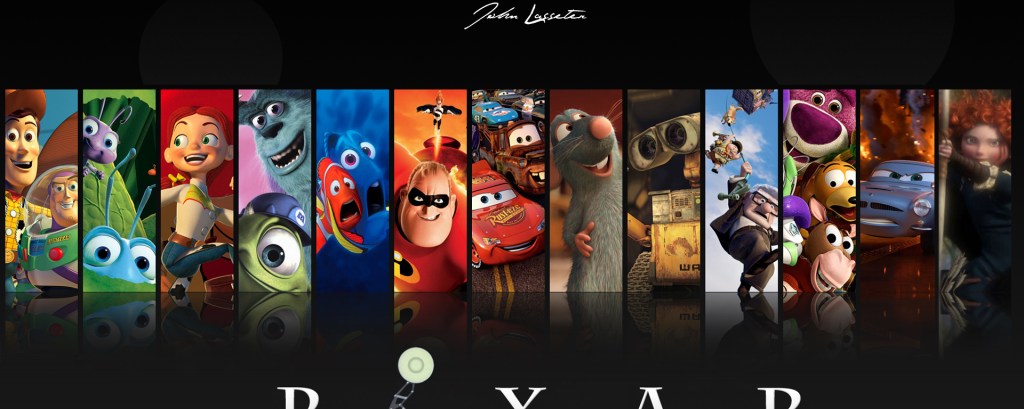
When people think of Pixar’s best work, they don’t always think of the films that make the most money or sell the most stuffed animals at Disneyland. They think of films like the “Toy Story” quartet, “Up,” “Coco,” “Finding Nemo,” and “Wall-E.” People grade Pixar’s work on its ability to move them to think differently or explore new feelings and emotions; the way great art should.
What I believe is a key element in crafting a Pixar hit is the same element in any story: we must care about its characters.
What allowed Pixar to cement the “Toy Story” series as one of the best-animated films of all time is how it opened its characters up for us to care about them. We understand Woody and his feelings of being replaced and Buzz Lightyear’s longing to discover who he is. “Coco” is able to show us we can all be like the film’s main character, Miguel, and take our family for granted. And “Wall-E” might not be Pixar’s most profitable film in terms of toys and merchandise, but its trash-collecting robot nevertheless captured our hearts and lead us on a stunning and thought-provoking journey across space.
In order for a Pixar film to be successful, it must have characters people can root for. “Onward’s” brother duo is certainly likable but not loveable. This is because neither confronts or explores the flaws that connect them to the audience.
Take Ian for example. His great flaw seems to be that he’s lacking a significant amount of confidence. Throughout the film, he gradually becomes more sure of himself but his progression doesn’t hold the same satisfaction as it would if viewers got to see him really struggle with his shyness. Viewers only know he’s unconfident because of a scene where he nervously asks classmates to attend his birthday party before taking their invitation back out of embarrassment. “Onward” doesn’t allow viewers to truly sympathize and relate to Ian.
If “Onward” were created by any other studio, I would probably be hailing it as a worthy contender against Pixar. But, it was created by Pixar which leads it to be judged on a scale that maybe isn’t always fair.
Not every film Pixar creates is going to be a masterpiece that finds itself on “Best of the Decade” or “Greatest Films of All Time” lists. But that doesn’t mean if a Pixar film doesn’t meet that standard it’s a terrible film destined to be hurried out of theaters and rushed to DVD. Sometimes I think Pixar’s worked its way into a corner because when its films aren’t exceptional they’re deemed a loss. This leads films like “Onward” and “The Good Dinosaur” to not receive the credit they still deserve as pieces of art that, while maybe not as much as others, still move people.

 The Beat @APU