It was April of 2017. Fans and music critics alike were waiting for new music from critically acclaimed hip hop artist Kendrick Lamar. His most recent studio album “To Pimp a Butterfly” came out in March of 2015. His upcoming album, at the time, was certainly his most anticipated album up to date and several wondered if it could live up to that hype.
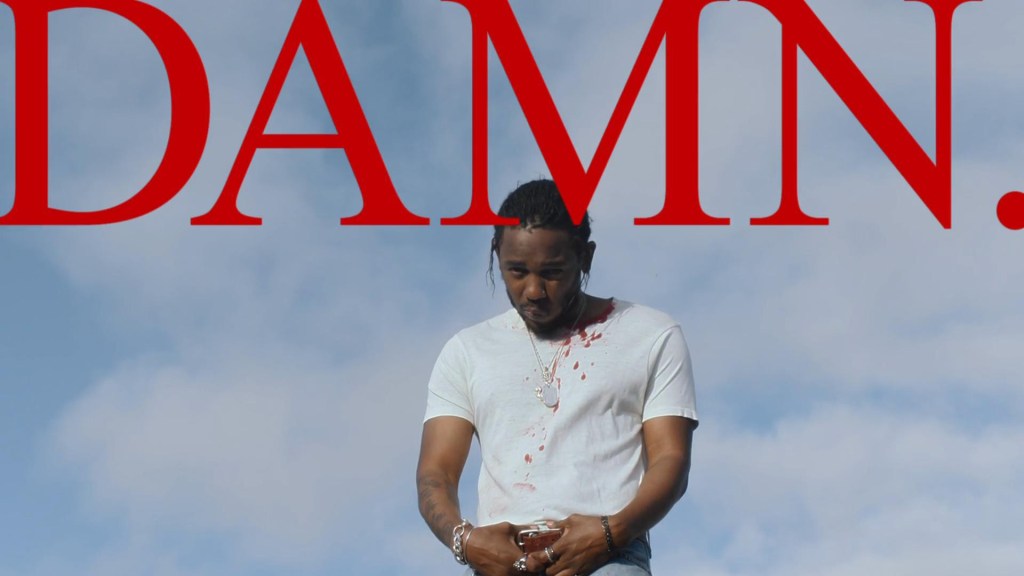
The artwork for the album came out on April 11, with the work of creative designer Vlad Septov yet again on display (Septov constructed the album covers of his previous two works). It was vibrant yet simple, with a disgruntled Lamar on the cover wearing a simple white t-shirt, and the wording “DAMN.” in bright red font above him.
Three days later, the music was released.
Kendrick has always been phenomenal at showcasing political influence through his music. His debut album “Good Kid, M.A.A.D City” was a statement towards the troublesome nature of his hometown of Compton, California, and in many ways brought back the rap roots of his city that have gone in shelter for years. “Butterfly” was a conscious piece, one that brought ideas of the country’s continued issues of discrimination. Some may even call it a philosophical work.
“DAMN” seemed to be the perfect mix. It not only mixed personal struggles with communal dissatisfaction, but it took these ideas and raised them as high as they could go. Instead of placing a sole focus on gang and street violence, Lamar turned these circumstances into a cause of deep and dark depression. He turns the observation of African-American inequality into a political commentary on how some see black people as the reason for their own demise.
The album is more than conscious. It is more than a personal piece about real life scenarios. It is more than a cry for help. Yes, maybe it is all of those. But there is no way to place this album into one category or under one spotlight. It is the complete rap album.
It is one of Lamar’s most well renowned albums. It won a Grammy for Best Rap Album of the Year. It debuted at number one in the U.S., and it earned triple platinum in 2018 for reaching three million units sold. It even won a Pulitzer Prize for Music, becoming the first album to receive the honor that was not placed in the genre of jazz or classical.
Yet all of these accomplishments fail to do the album justice. The only way to experience it is to put in your headphones and take the ride yourself.
I remember when I first heard the album, and I was astonished by the production of the music itself. Certainly lyrically it was far superior to a majority of rap music that has been released over the past decade. But the tempo and rhythm throughout the album failed to be consistent in the best possible way.
Clearly, Kendrick wanted to sample and experiment with different musical elements, whether that be the incorporation of trap, soul, blues, pop, R&B and so on. It was the mixture of these styles that made it so fantastic to engage with. Every song sounded so, incredibly, magnificently different. And somehow, the album flowed so well, both musically and narratively.
All I can think when hearing this album is that we are listening to an artist who is at the top of his game. His confidence as a musician is completely embodied in this album, and Kendrick alone continues to be the perfect embodiment between implementing old hip-hop lyricism with contemporary styles.
And now, it is 2020. It has been nearly three years since Kendrick has released “DAMN.” And once again, here I am, eagerly waiting for his next masterpiece to be released. Yet, until then, all we can do is just listen to what has already been released and anticipate what is to come from the strongest rap artist in the game today.

 The Beat @APU