
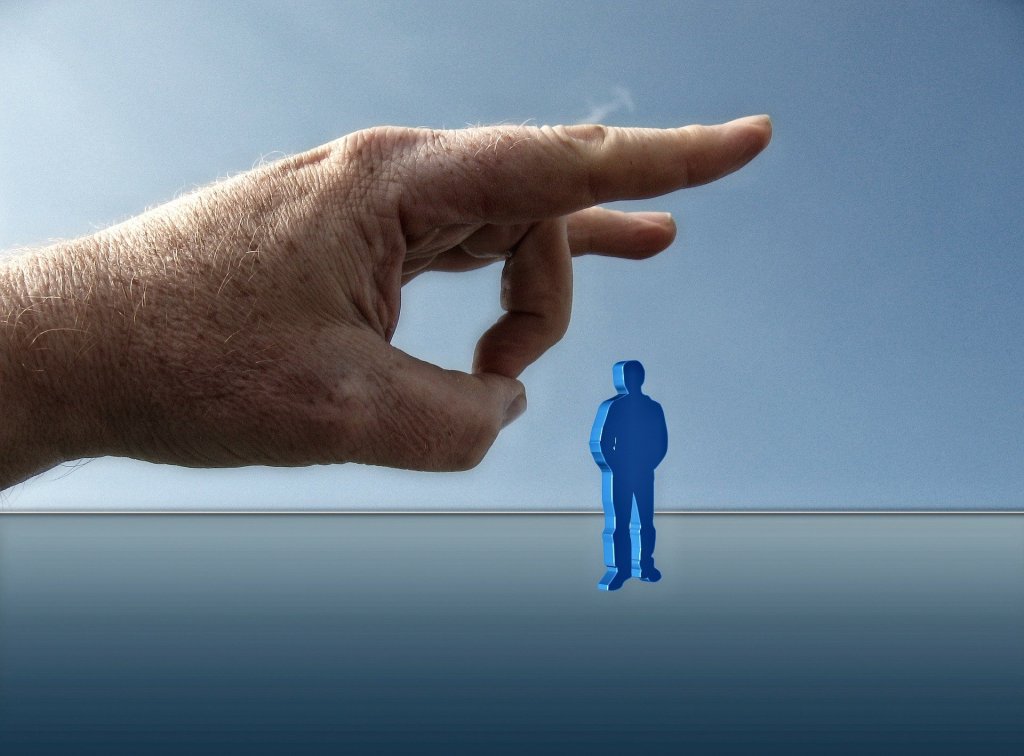
Prior to COVID-19, the internet world was already battling online viruses of immorality, obscenity and iniquity. Being ostracised and stripped of their platform as punishment has been the new solution that continues to be tested. Nicknamed “cancel culture,” the vaccine is here to stay… and we don’t yet know if it will be effective.
Many insist that the canceling concept is morally wrong. However, the reality of how much it is actually embedded into and practiced in society now has revealed that it is otherwise deemed as acceptable. Does this prove the idea of ‘mob mentality,’ or the idea that much of society is still willing to follow a movement despite a belief that it is wrong? Is ‘cancel culture’ effective for setting boundaries online, or is it just another toxic trend that has spun out of control?
With this new societal practice, making a mistake can look like the end of a career for an influencer.
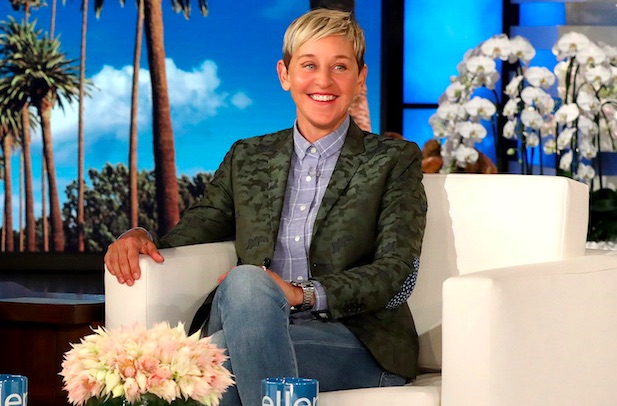
Ellen DeGeneres, perhaps one of the most notable cancellations of 2020, was put on blast due to personal allegations as well as a toxic work environment on her show. She experienced headfirst the impact of the power of backlash and is still in the process of recovery.
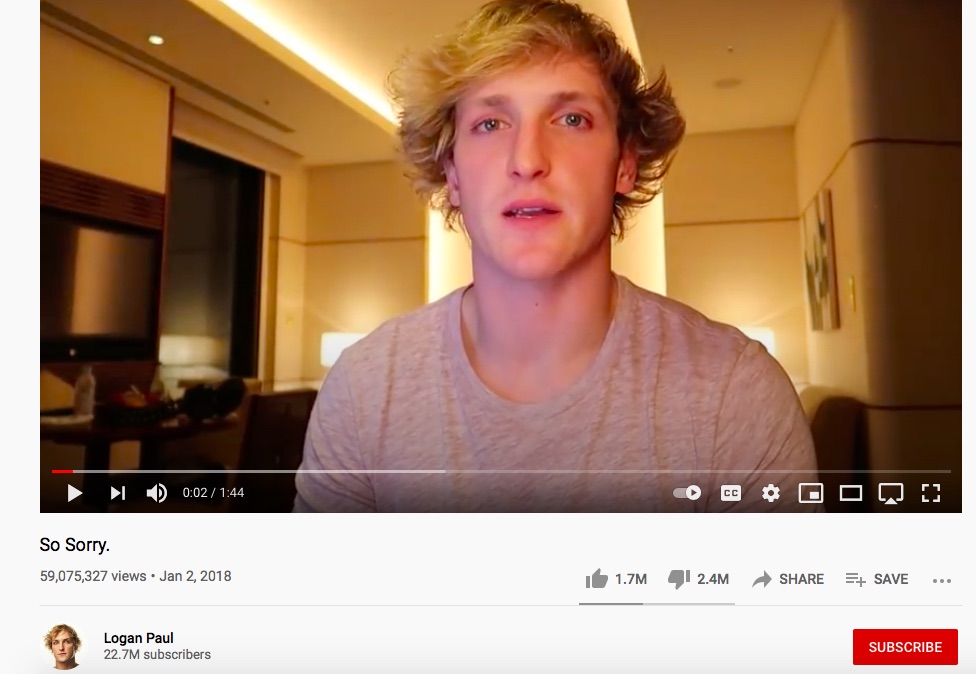
Famous Youtuber, social media personality and boxer Logan Paul found himself in public controversy time and time again. But his momentous mistake was when he posted a video showing a visible suicide victim and it resulted in tons of losses in fans and business deals. Paul still holds a semi-successful platform to this day, but his career went a completely different direction and hasn’t looked the same since.
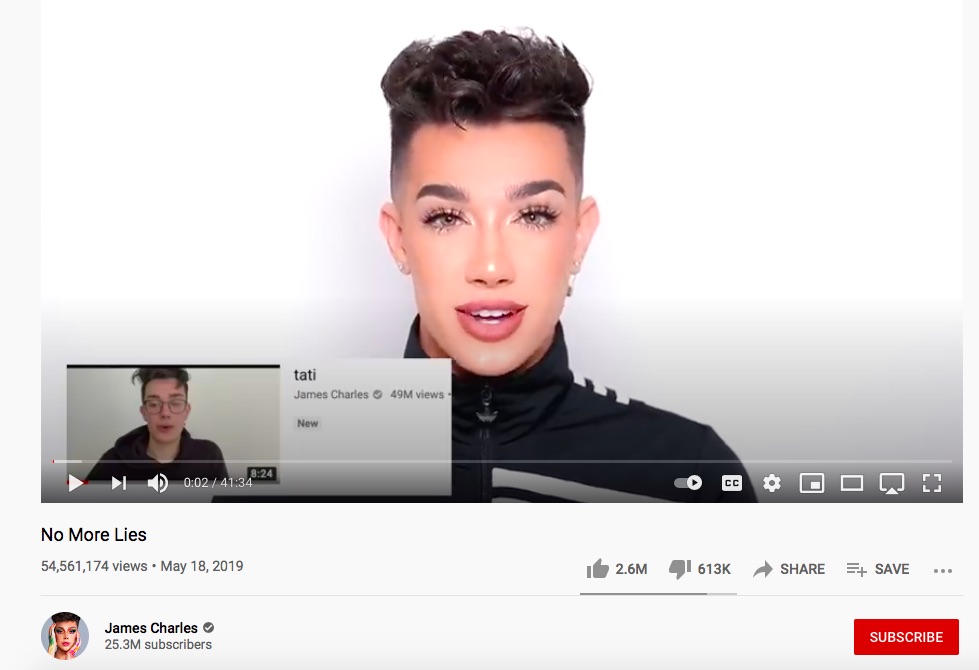
James Charles, beauty Youtuber and makeup artist, has found himself in deep waters a few times, including the whole “James vs Tati” ordeal in 2019. Each time he has faced the threat of cancellation, however, he has been able to come out with a stronger platform than before. He is undoubtedly one of the lucky ones as the “Sisters” seem to be the more “forgive and forget” type of fandom.
Shane Dawson, Jenna Marbles, Chrissy Teigen and many others have received some of the deepest cuts when it comes to ‘cancel culture.’ The interesting thing about this canceling concept, though, is that the rules and regulations regarding “canceling” has its exceptions. In fact, for Trisha Paytas, her brand is basically built off of being controversial, so she’s been able to dodge the canceling bullets.
What can definitely be said about this online shaming strategy is that it not only keeps people accountable for their wrongdoings, but it also forces those with massive platforms to be more cautious of what they post — and that’s always a good thing because similarly to Vegas, what happens on the internet stays on the internet.
On another positive note, the constant online torment that comes with being canceled only truly lasts until the next influencer inevitably makes a mistake and the public shifts their attention to the new drama. It’s like a game of hot potato for the influencers — facing the heat until they can pass it on to the next person.
Nevertheless, ‘cancel culture’ does not allow for unavoidable human mistakes and growth. After all, one can only learn from their mistakes, right?
So, who gets to decide who is ‘canceled’? Moreover, who has the reigning authority over someone’s chance at redemption? Could ‘cancel culture’ be another strategy to rid society of free speech and second chances? Could a system set up to keep others accountable go too far and actually do more harm than good? The debate continues.

 The Beat @APU