
Imagine if the only person you ever saw similar to yourself in a movie was represented as a serial killer. Or a rapist. Or a repulsive horror that would drive everyone who even looked at you away. That is what transgendered people have been seeing for years, even decades. And shifts to this narrative are slow in coming even with the changes being made in regards to more positive and accurate representation of the LGBT+ community across all media.
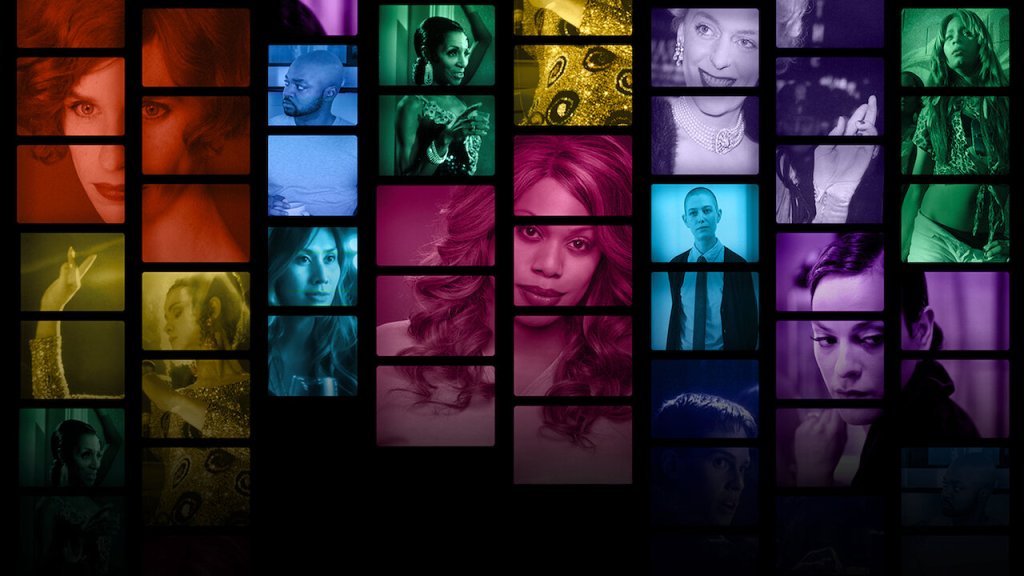
Netflix’s original documentary, Disclosure, displayed the representation of trans people throughout Hollywood’s history and the media to reveal a shocking line up of terrible misrepresentation leading to the creation of wrongful assumptions that drive unprecedented violence and prejudice towards trans people today.
The documentary focused an intense lens on the history of transgendered people and their representation on and off the screen. So much of the film as a whole was clips from different movies in which the majority of transgendered characters were being played and portrayed by cisgendered actors.
“Having cisgendered men play trans women, in my mind, is a direct link to the violence against trans women,” said Jen Richards, an actress and writer interviewed for the documentary. She explained that she sees the horror and violence that men react with when realizing that they have been with a trans woman as tied to the fact that they don’t see trans women as actual women but instead as men dressed as women and fear the shame that comes with being perceived as gay.
This fact and others drawn from movies have become the only things shaping people’s perceptions of trans people. Yance Ford, a filmmaker interviewed in the documentary, said, “Marian Wright Edelman said ‘Children cannot be what they cannot see.’ And that’s not just about children. It’s about all of us. We can not be a better society until we see that better society.”
Another of the struggles that the transgendered people interviewed expressed about the portrayal of them in the media and movies was how it always felt like they were the spectacle. A “phenomenon” only included to shock or thrill the audience.
“I want to cry talking about this narrative. It’s just horrible. This is what happens to us when we watch. And I wonder if anyone when they were constructing these stories thought about the trans people watching,” said Laverne Cox, an actress well known for her role in the popular Netflix series Orange is the New Black.
There were numerous other angles and issues the documentary addressed and it was thorough in its analysis of the movie industry’s history of wrongfully and terribly representing the trans community over and over again.
“If you’re going to choose to insert yourself in the telling of a particular community’s story or you want to help a particular community tell their story, you need to realize the privileges that you have and you need to realize that life for them is different,” said Tre’vell Anderson, a journalist and film critic in the interview.
This documentary was particularly compelling for me because of my ties with the LGBT+ community in being a lesbian myself and a strong supporter of gay rights. However, I hadn’t realized the depth of struggle that trans people have faced with misrepresentation in the media before watching this documentary. Something I’ve come to understand over time, especially in this community, is that my pain speaks the same language as others’ around me but that doesn’t mean they are the same and they shouldn’t be compared. Instead, we should stand in solidarity with each other to make the changes desperately needed.
This review feels inadequate in describing the masterpiece that this documentary was to watch. However, I think that encourages me more to strongly recommend that you go watch it and feel the pull for change yourself.
It ended with Susan Stryker, a historian, saying, “There is still a lot of work to do, and we can’t think that just because you see trans representation that the revolution is over…Having positive representation can only succeed in changing the conditions of life for trans people when it is part of a much broader movement for social change. Changing representation is not the goal. It’s just the means to an end.”

 The Beat @APU