
Last week, Travis Gafford, accomplished LCS esports interviewer and producer, was hosting his popular esports talk show, “Hotline League”, when he revealed that LCS team owners have been asking Riot Games to remove the player import restrictions in the LCS.
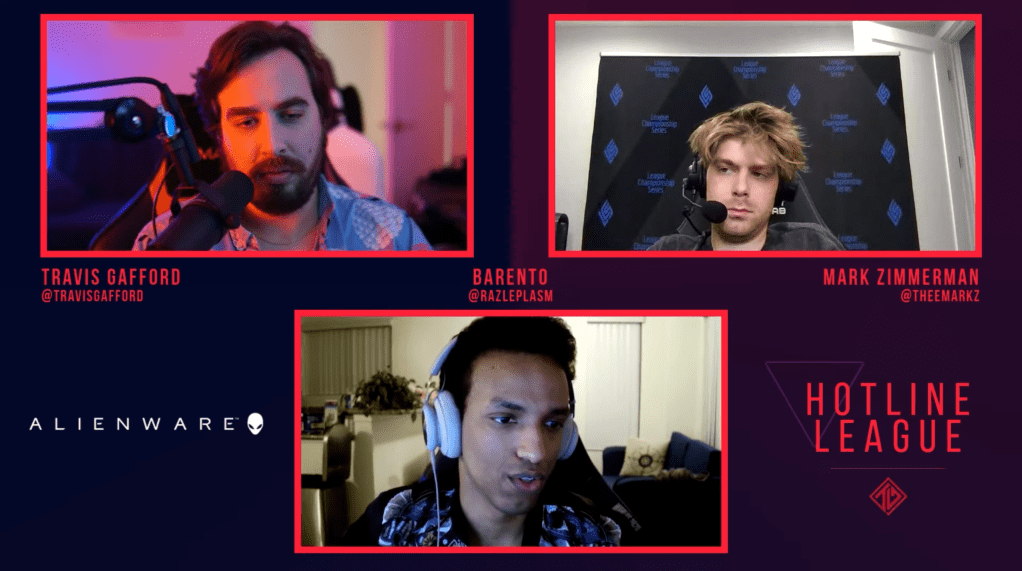
With him were two other accomplished esports commentators, Barento “Razleplasm” Mohammed and Mark “MarkZ” Zimmerman, offering their insights and voicing the opinions of the community.
The decision as to whether or not to lift the import restrictions for the NA LCS has become a heated debate amongst the community, with LCS fans from both sides raising their concerns and opinions on the issue and discussing the long-lasting effects this decision will have on the future of the LCS if the restrictions are removed. Riot Games has provided no opinion on the topic.
The current import restrictions dictates that a team can only have two import slots for players from outside regions. “Originally, Riot created the interregional movement policy (or IMP) to regulate how many players from another region are playing in one of their major leagues such as LEC, LCK, LCS and LPL. Riot wanted to make sure a local league would mostly feature talent native to the region, not only to ensure fair play and prevent other teams from importing winning teams from other countries, but also to give young players a shot at growing in their own region,” as stated on esports.com. However, many LCS fans are concerned the removal of the restrictions will kill the North American ameteur scene and stomp out up and coming local talent from ever reaching the professional level again. Razleplasm echoed this concern on Gafford’s show, “I think we made a huge leap this year with the amateur system and bringing people up, and I want to see that continue and I think it would be a bad decision to open the gates…”
However, many fans feel that due to the LCS’s prior history in extravagant importing, the LCS already relies too heavily on imported players to create teams that stand a chance on the international stage. This has led many LoL Esports fans, both native and international, to dub the LCS’ competitive state as an “import league”.
The reason North America imports out-of-region players more than any other region in the world is due to their historical status as one of the most underperforming regions in the world. NA has consistently lagged behind other regions in terms of results in international competitions and has never won a Worlds’ Championship— another reason cited by fans who do believe the restrictions should be lifted.
Despite there being a plethora of reasons as to why NA has historically underperformed, one of the most significant reasons is provided as a counter argument to the anti-restriction reasoning. Professional League of Legends player and Worlds’ Champion, “DoinB”, voiced this reason perfectly in one of his streams.
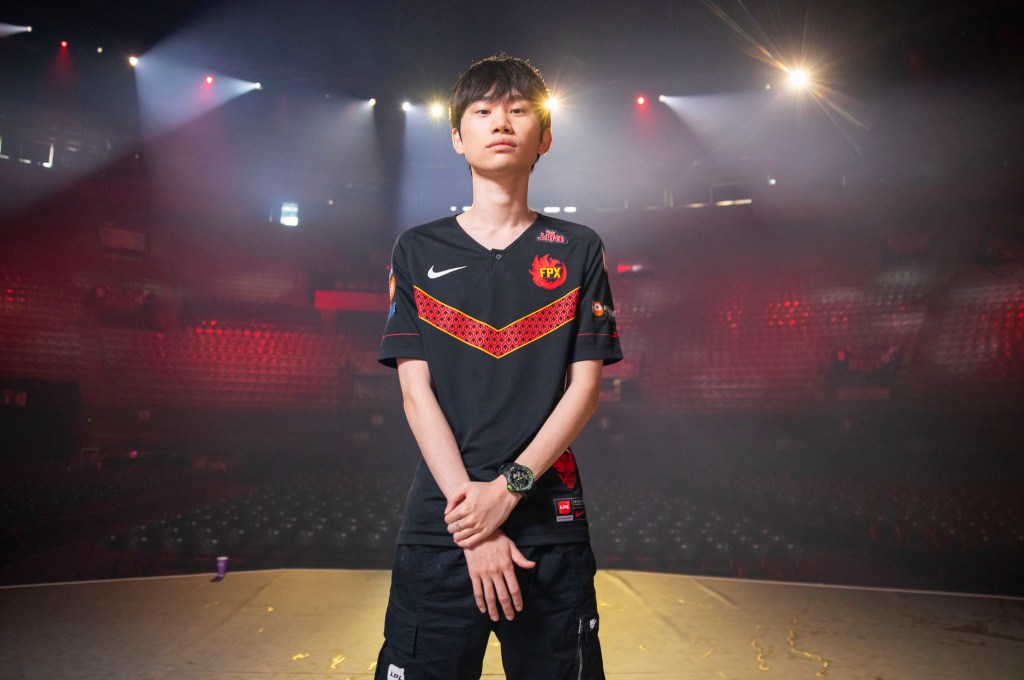
“But when you look at NA, it’s always the same players…rookies never get a chance to play…There’s also [the lack of] time put into practice, But that’s less of a problem. It’s always the same players. They make it to Worlds and underperform because of it.” It is because of this problem that many fans and professionals within the esports scene believe that properly fostering the amatuer scene could finally solve NA’s performance issues.
Yet, the possibility of an unlimited number of imported players on LCS teams could potentially kill the native amatuer scene in North America. This also leads to fears of North American teams consisting purely of imports, meaning NA’s identity as a separate region in the eyes of fans could disappear completely.

 The Beat @APU