
The concept of influencers existed in society long before the term was actually coined. When we hear “influencers” we think of popular Youtubers and social media personalities such as James Charles, Emma Chamberlain, Jeffree Star, Kylie Jener, Charli D’Amelio and so on. Because influencers are so prevalent nowadays, it’s a concept that is perceived as being new — or of Gen Z. In reality, influencers have been a part of culture for generations.
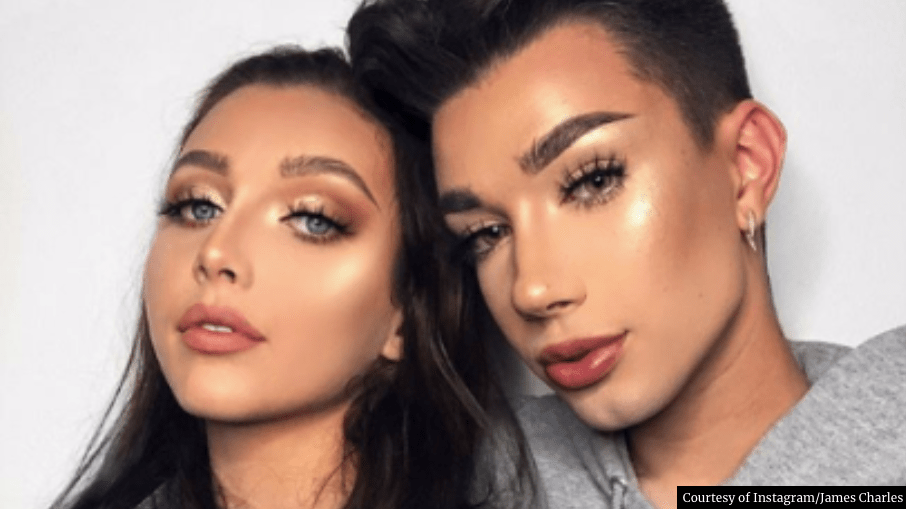
A modern influencer is typically someone who has gained worldwide recognition through the internet resulting in a mass amount of followers, which then in turn drives brands to reach out to them as a marketing tool to promote their products. Influencers, to many of us, are the main faces of Youtube and Instagram. They are the ones who pop up on our “suggested for you” pages and they are the names that all the kids know. The days of waking up early to catch your favorite Disney Channel show are over as the favored activity among the youth is now watching Youtube or TikTok videos via a smartphone or tablet. Popular faces and names are no longer limited to the ones we see on the “big screens,” but rather the ordinary people who happened to stumble upon virality.
But long before the internet became a breeding ground for millions of influencers, previous generations were limited in the ones they followed. Celebrities you’d see in movies, concerts or magazines had the attention of the public and it was their styles that rippled into the mainstream world. Famous actors and musicians had the power to birth pop culture trends such as fashion and product use. Every teen wanted to be just like the ones who appeared in their bedroom posters. Now, the celebrities have been replaced by the normal youngsters who radiate good looks and entertainment from their own bedrooms — the ones we now view as modern day’s most popular influencers.
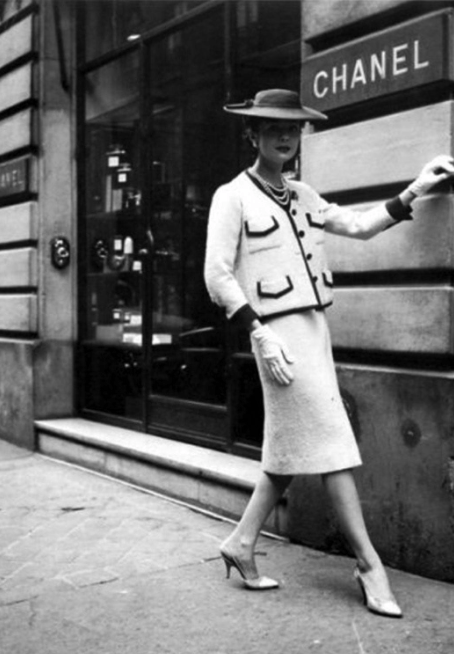
The influence of culture can go back as far as Shakespearean plays or even monumental figures in authority who endorsed medicinal remedies to the public. Since the beginning of time, familiar faces have been “influencing” citizens in some way or another. Moving through the timeline of influencer culture, we then reach the era of fashion designers, such as Coco Chanel who were the icons for inspiration. Celebrity endorsements became a widely used marketing tool with the success of the Air Jordan collaboration. It was the stars of sports, Hollywood, fashion, politics, etc. who had the power to influence before the ability was handed off to anyone with a smartphone.
Public figures such as the Kardashians received massive attention for simply existing. Their prominence opened doors for them to start their own businesses and careers and the order of public prestige has taken a 180 degree turn. Now, the influencer industry is a billion dollar business involving many. Social media may just have ruined the significance of being an influencer, and the glory days of earning this title may be over.

 The Beat @APU