
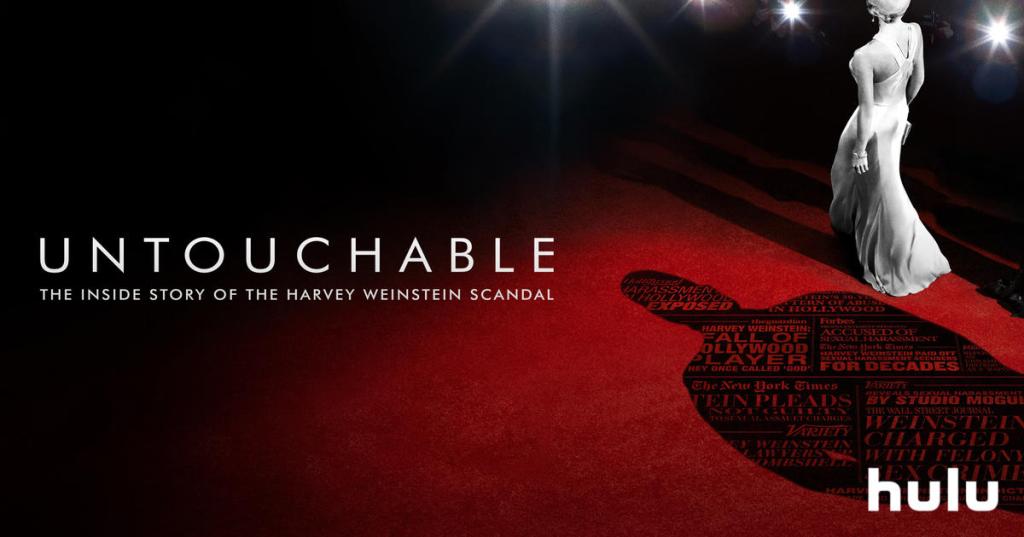
The dramatic music. The urban cinema shots. Intense close ups of womens’ distraught faces. These are what comprised the Hulu original documentary, “Untouchable”. It was the story of the countless sexual assault charges brought against Harvey Weinstein in 2017. It starts off at the ending of the story, with Weinstein walking into a police precinct, flanked by masses of reporters. Then the documentary backtracks to the rise of Miramax, the film company Weinstein built from the ground up with his brother, Bob. Over the course of the next decade, Weinstein coerced numerous women to give him sexual favors in order to further their careers or out right assaulted and raped them.
Story after story and interview after interview, the women expressed their fear of him physically, what he could do to their lives, and the massive influence he had in order to make their lives nightmares if they tried to speak out about their trauma. The film presented many instances of him and his film company paying off those who were filing complaints about him in order to keep them quiet.
These women were also fighting against the stigma of how the media and social gossip always focused on the women being the one to initiate or want intimacy. The phrase, “She slept her way to the top” was very common to be used to excuse Weinstein’s behavior as normal or not his fault. Yet this is exactly the narrative that silences victims and the documentary’s interviews displayed that story over and over again with each witness.
One of the aspects that was striking about this film was the shots in which there would be a voice over of a victim and then the image would be photos of Weinstein at large parties with women hanging off his arms and surrounding him. These were the photos that were shown as evidence that the victims welcomed his advances, that it was all consensual and completely alright. However, so many of their shocking testimonies included them being too terrified to say anything to him and so they would just smile and go along with it.
While I thought this documentary was well done in its extensive interview and victims’ stories, I did think the dramatic shots weren’t always entirely necessary. Their dynamic was very obvious and it did work to the stories advantage some of the time, however, there were moments when it felt as if too much of the scenes were focused on the cinematic look of the film as opposed to the actual story it was trying to portray.
In all though, I would recommend this film because of its in depth layout of the entire scandal and its capturing of the tragedy and the real root of the issue: the system and society that enables men in power to be above the law and decent human respect. This powerful message and the exposing of the horrible treatment and abuse of women was a poignant part of the film and the trajectory that it set for the starting off point of the #Me Too movement that has grown exponentially. In the end, no matter how they are created or the cinematic choices made, these types of documentaries are essential in amplifying victim’s voices and empowering them to speak out and stand up in the face of great opposition.

 The Beat @APU