
The documentary was just a little too short.
This documentary opens with the hit song “I Don’t Like Mondays” by the Boomrats. The song, inspired by a 16-year-old girl who fired several shots at Cleveland Elementary School, released in 1979. The girls’ reasoning for the shooting? “I don’t like Mondays.”
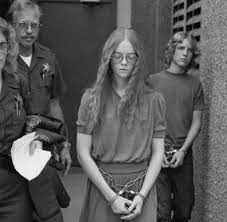
In January 1979, the first school shooting occurred with Brenda Ann Spencer who took her gun and shot into the primary school across the street. 26 years later, she is now entitled to parole, and her parents were both willing to do interviews with the press in the making of this documentary.
I watched “I Don’t Like Mondays” because I wanted answers as to why the recent shootings were happening. What I was hoping for was a dark look into the psychology of a 16-year-old child to see what might have caused her to fire shots into a primary school, but I got a documentary that just left me with more questions.
Perhaps, I shouldn’t have been looking for answers in a documentary that was about the first-ever school shooting, but it didn’t make any sense that it wouldn’t touch on these ideas throughout the film.
They start with an interview with the District Attorney, who is convinced that Brenda Spencer is still a danger to society. It’s interesting because he truly believes that she is emotionally disturbed still, even after 26 years.
The case against her continues as they dive into the interviews with the daughter and wife of the school principal who died at the scene. They also talk to other survivors about the events of that Monday morning.
After the description of the case against Brenda Ann Spencer, they talk to her mother. At this point in the documentary, they switch between clips of the court and the mother’s interview scene.
While these interviews might have had interesting information, it is tragic that the mother doesn’t provide much insight into who Brenda is. In the documentary, they interviewed her father as well, but he refused to give any enlightening information.
Brenda Ann Spencer had a troubled childhood but does that justify her actions? With a divorced family, that is bound to cause some chaos in the household.
I think what I found the most disturbing about her case is when she talks about the sexual assault she suffered at the hands of her father. She is visibly upset as she gives the details in court.
However, the documentary does not dive any deeper than that. They simply talk to both parents and have coverage of Brenda’s parole hearing. There is nothing about what can happen to a child who is in an environment like that. For me personally, this is where the documentary went flat.
Throughout the documentary, it is simply a flip flop between the victims and those who want Brenda Spencer to be on parole. Many of those who were affected stated that they could not forgive her.
Perhaps, one of the few places the documentary shines is when they have footage of Brenda apologizing for the shootings. She stated that what she did was not okay, but that she was deeply sorry. It’s emotional.
However, the court ruling finished in 15 minutes after they had heard the case. In the end, Brenda does not get parole and will most likely not get it for another four years. All of that buildup, for a decision that only took 15 minutes.
While this story was interesting, there was no depth. They didn’t touch on her psyche, her past or enough content to make this documentary be truly a fascinating masterpiece.

 The Beat @APU