
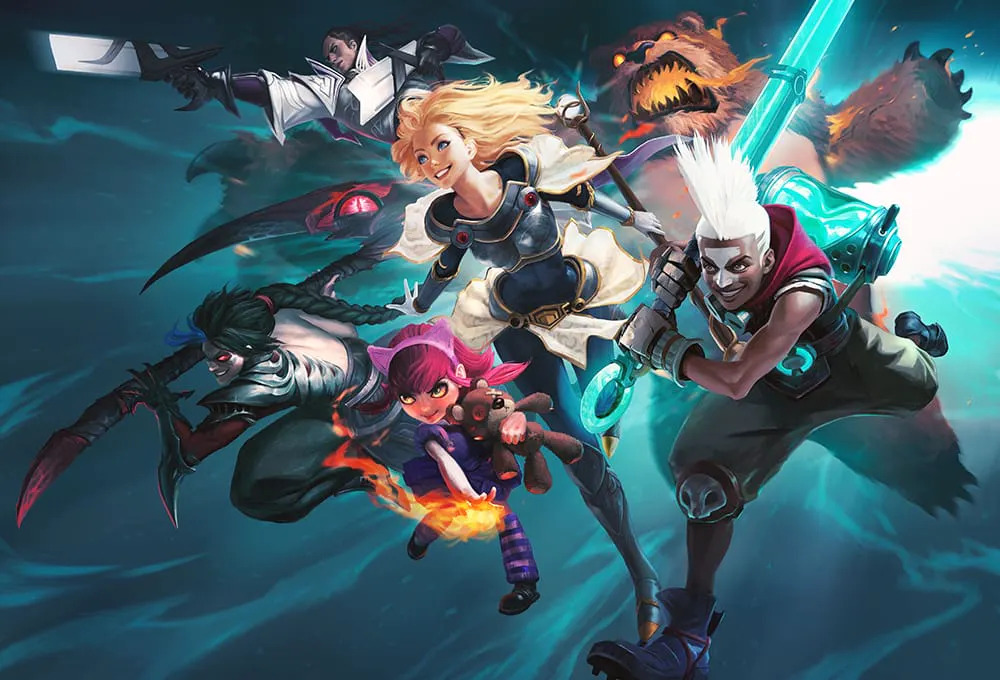
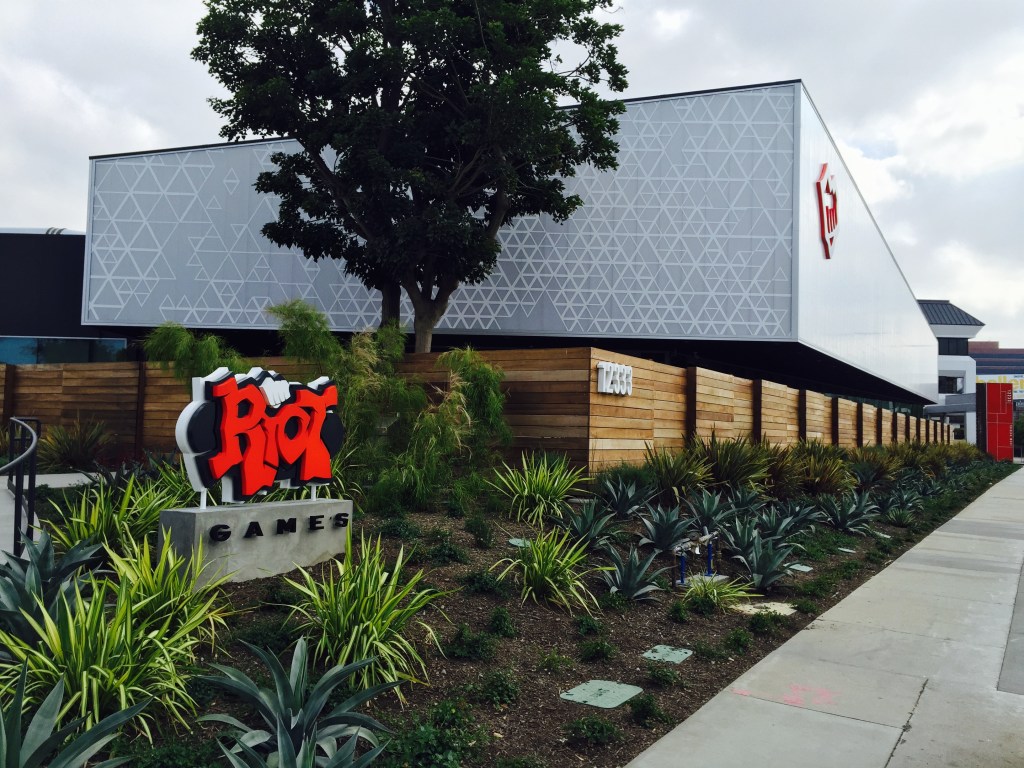
In September of 2006, two college roommates from the University of Southern California, Brandon Beck and Marc Merrill, would muster together enough money to start their small indie video game developing company; Riot Games. Their goal was to produce a game that could be continuously enjoyable, expanding, and relevant as time went on. Their first game was released on October 27th, 2009, it was titled League of Legends. Unbeknownst to Beck and Merrill, what started out as a passion project would become a flourishing, billion dollar revenue game.
Fast forward 10 years and League of Legends would steadily gain attention, becoming one of the most consistently active PC video games today and the second most streamed game on Twitch. However, it’s most significant achievement has been it’s massively influential role in advancing the popularity and legitimacy of esports as its’ biggest game.
Although the debate of whether or not esports is a ‘real’ sport continues to rage on throughout the 21st century, League of Legends has made significant leaps in progress for the legitimacy of esports as an official athletic sport. In 2013, after repeated attempts by Riot Games to acquire visas for foregin professional League of Legends’ players, the U.S. government finally granted professional athletic visas for these players. This allowed foreign players to compete in professional tournaments on U.S. soil, but also legimatized professional esports as an official athletic sport in the U.S.
However, the U.S. was not the first country to recognize League of Legends as a professional sport, nor will it be the last. League is one of the most athletically recognized esports across multiple countries, such as; South Korea, Germany, China, Brazil, Japan, Turkey, and many more.
Not only is League recognized as official sports in these countries, League has amassed a massive following in these countries, with their tournaments around the world boasting impressive viewership and attendance numbers.
To put into perspective how big esports has become, and how League has contributed to its success, some League of Legends tournaments have repeatedly garnered more viewership than the Super Bowl, NBA Finals, and World Series. In fact, In 2018, League’s most anticipated and grand event, the League of Legends’ Worlds Finals, had a peak of 200 million viewers globally!
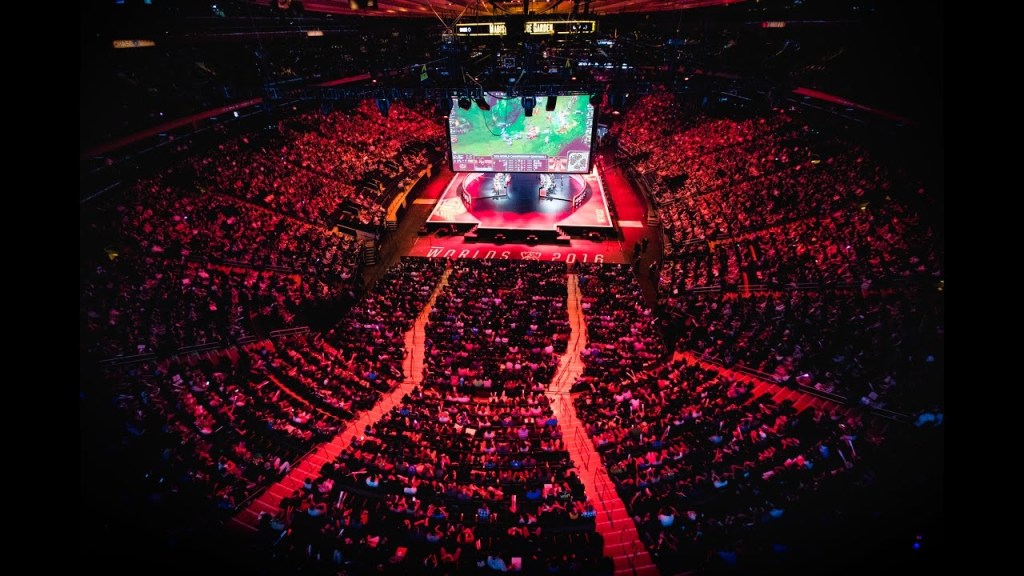
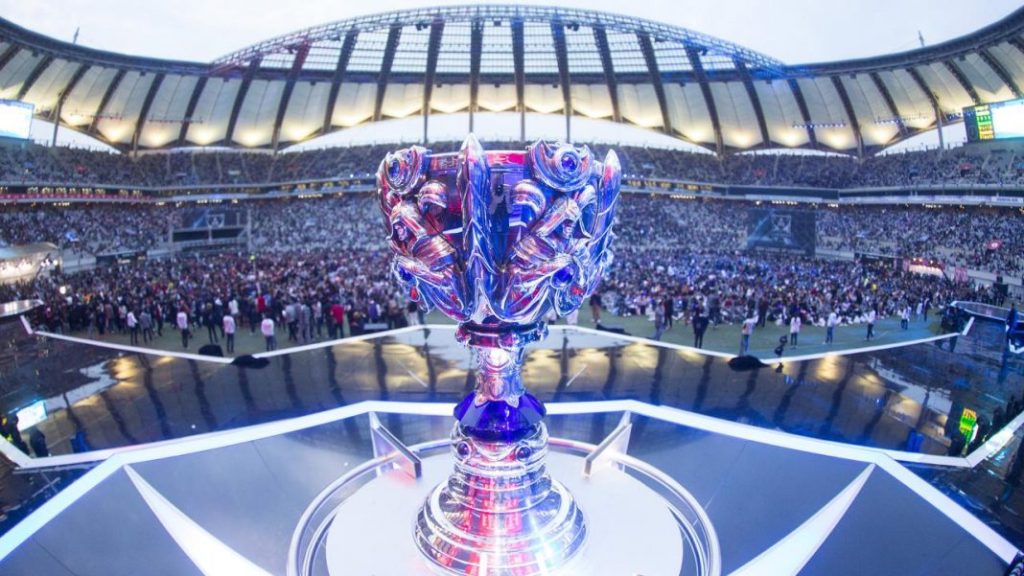
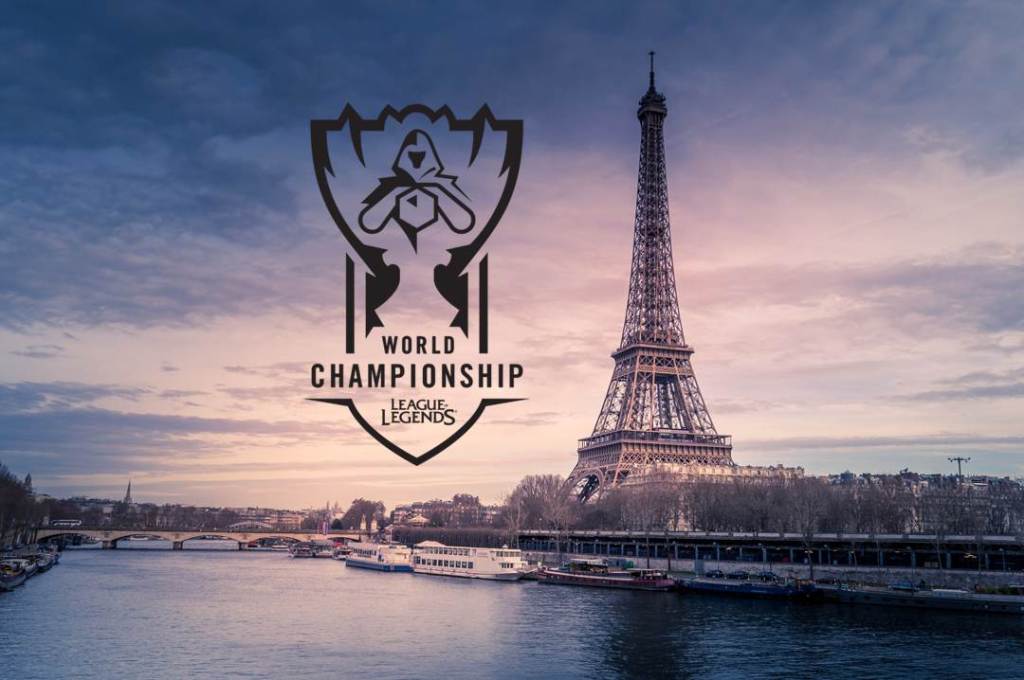
The League of Legends’ Worlds Finals is not just any esports event, it’s one of the biggest esports events in all of history. It has been hosted in famous cities around the world from Beijing, Los Angeles, Seoul, and even Paris. In 2013, the Worlds Finals, sold out the Staples Center and in 2017 Worlds sold out the Beijing Olympic Stadium, “the Bird Nest”, to a crowd of 40,000.
The massively positive reception and anticipation of Worlds is due to the absolutely stellar production of Riot Games. However, one aspect of production that has helped bring Worlds, and possible esports as a whole, into the mainstream are their musical collaborations during these events.
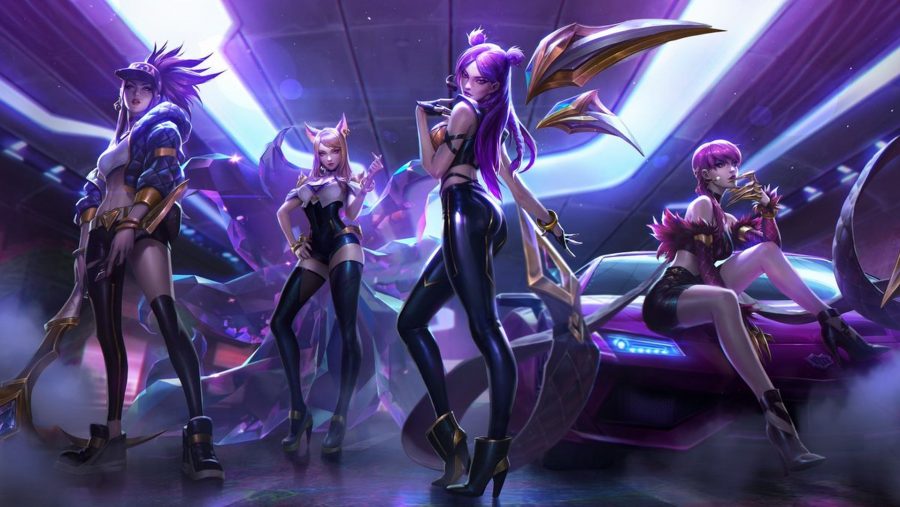
Riot has already shown massive initiative and determination to branch out into music in hopes of spreading their logo. This has been done with their numerous musical IPs such as, K/DA, Pentakill, and True Damage; bands that consist of in-game characters but are voiced by real musical artists, with songs and albums worked on by a myriad of sound designers and musicians.
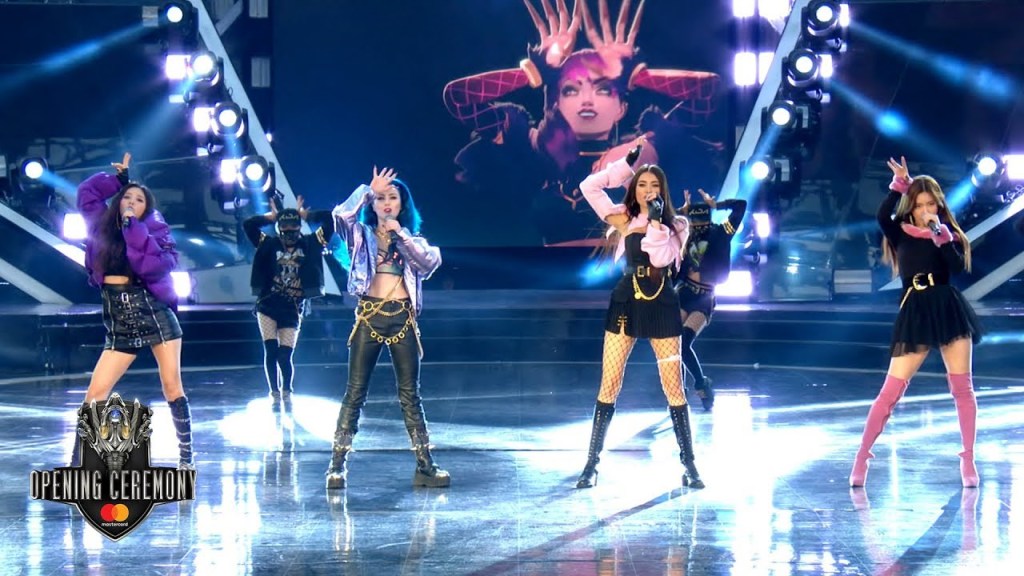
At Worlds, Riot reaches out to popular musicians and artists to perform as the opening musical act during the tournament, both as a means of entertainment and a way of breaking into the mainstream. Some artists that have performed at Worlds have been the Grammy winning band, Imagine Dragons, famous K-pop group, (G)I-DLE and popular Tawainese rapper, Jay Chou.
League of Legends’ influence as an esports title is so massive, it is often the forefront game in the discussions of bringing esports to the Olympics. In 2018, it appeared during the summer Asian Games as a demonstration sport. The Asian Games is reported to be, “the second largest multi-sport event in the world behind the Olympics,” and is “recognized by the International Olympic Committee as one of the world’s largest multi-sport events.” This was an incredible step towards the Olympics for not only League, but for all of esports.
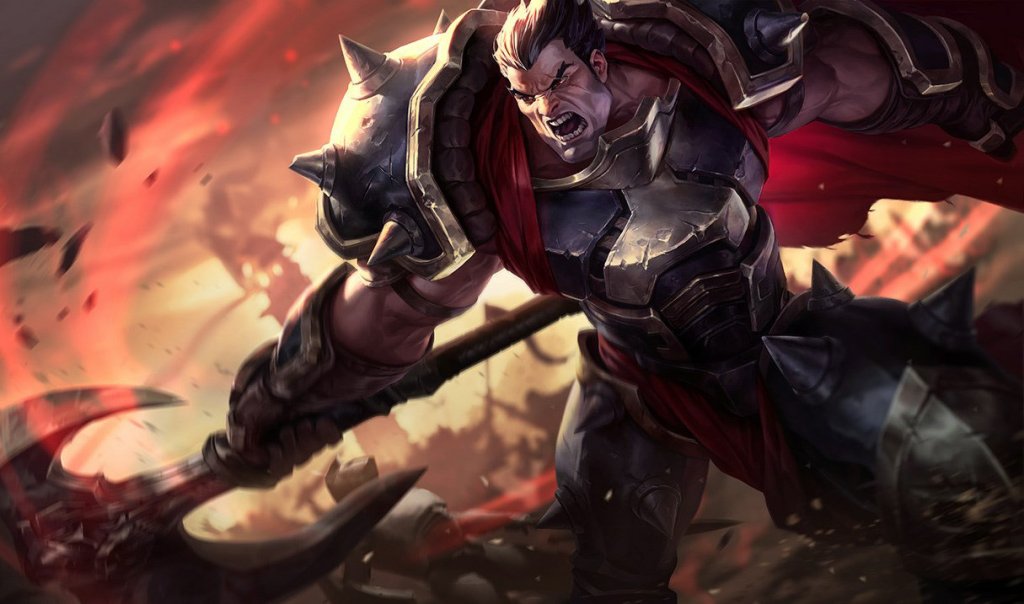
League of Legends is one of the world’s most rapidly flourishing and developing video games on the planet, showing no signs of slowing down. It’s largely responsible for Riot Games’ ability to branch out into multiple areas of pop culture. It has also served as one of the biggest titles to bridge the gap between gaming culture and the mainstream. It’s achievements as a video game, and esports title, have truly proven that it’s truly in a league of its’ own.

 The Beat @APU