It’s one you can’t refuse to see.
Almost 50 years ago, Francis Ford Coppola directed and wrote the first “The Godfather.” The influence of the film has shaped the social imaginary of people, including those of Gen Z, in ways that few trilogies have ever done before.
Leading up to last night’s 2021 Oscars, I had on my list of must-see films “The Godfather,” as it had swept the 1973 Academy Awards for Best Picture, Best Actor, and Best Adapted Screenplay. I watched in amazement as Coppalo’s story seemed to help me understand the history of cinema and the origins of many common phrases.
“The Godfather,” parts one through three, has had a unique role in the world, proving that cinema often shapes our concept of the world and how human beings live in it. To prove this, I’ll be shortly dissecting each of the parts and showcasing the effect of them on popular culture.
The Godfather: Part I
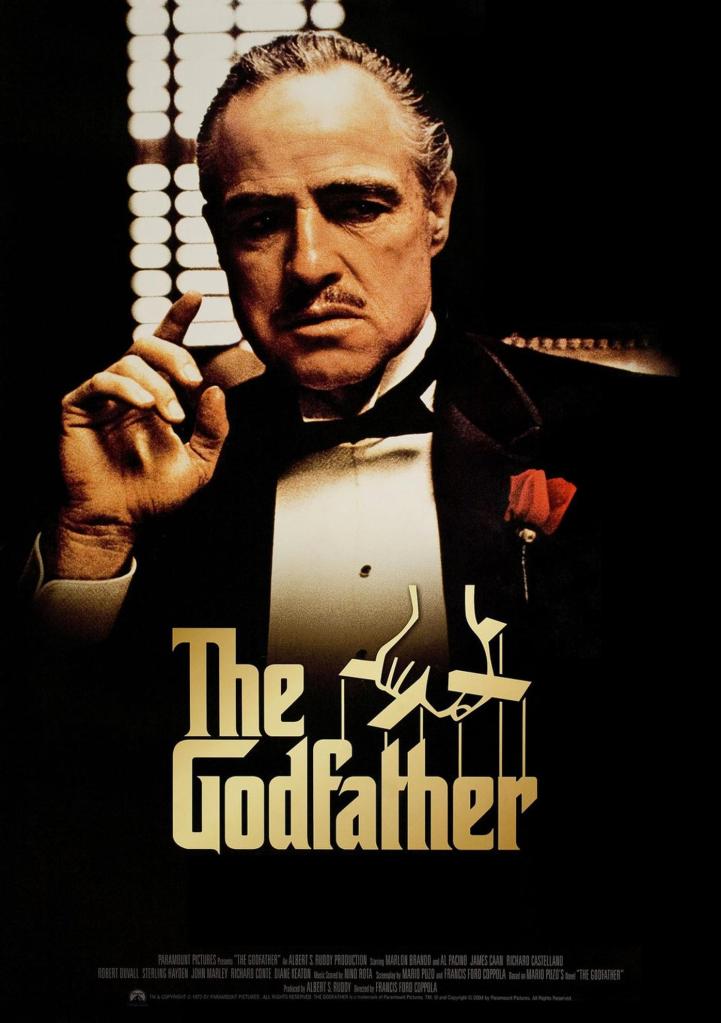
“An organized crime dynasty’s aging patriarch transfers control of his clandestine empire to his reluctant son,” says IMDB.
Along with its academy awards, the original film is the origin of the phrase, “I’m gonna make him an offer he can’t refuse.” Even though I hadn’t seen the movies before last week, I had known of that quote’s existence.
The film portrays ideals of familial loyalty, something that my Gen Z generation is often disconnected from, as political differences seem to divide us. However, the conceptualization of loyalty within pop culture deeply stems from the movie’s portrayal of it. Coppalo’s film shapes the social imaginary.
In Andy Crouch’s book, “Culture Making,” he describes the social imaginary as, to paraphrase, how we view the world from the unconscious influence of images in culture that influences us. From this understanding, it was simple for me to see that while watching the film, it was the ideal interpretation of family and how we are bound together by a loyalty almost deeper than blood.
Each installment of “The Godfather” is nearly three hours long, making it a serious commitment to watch. Each scene takes its time; characters move slowly as they sip their wine, adding to the confidence and seriousness of the film. For a person from Gen Z, with my tiny attention span and everything, I was still captivated by it. Proving that not only did the film deserve the Oscar, it also deserves the iconic status it owns.
The Godfather: Part II
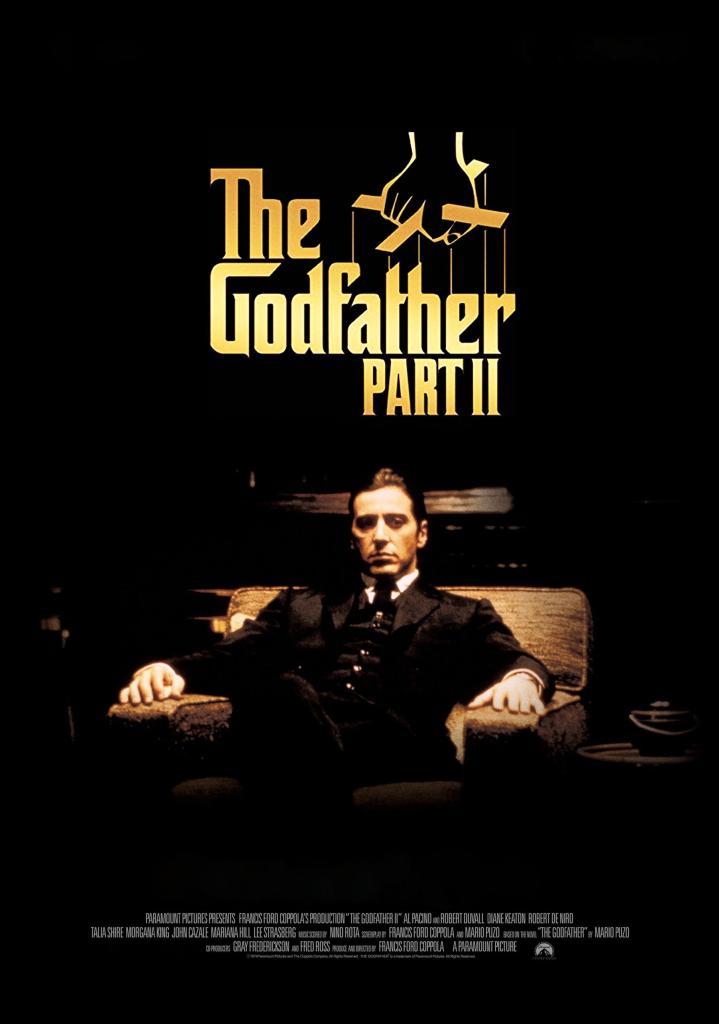
In 1975 Coppalo struck gold again by winning the Academy Awards for Best Picture, Best Supporting Actor, Best Adapted Screenplay, Best Director, Best Original Score, and Best Production Design.
This film explores the origins of the Corleone family, as well as the modern direction that Al Pachino’s character, Micheal Corleone, is taking as the new head of the family.
Teaching a clinic on good storytelling, Coppalo directs masterfully. Following similar story arcs like that of Greek mythology, the characters are complex, yet the dialogue doesn’t stretch in dialect. It is essentially creating moments of incredible cinema that seems so simple.
Again, as a member of Gen Z, I thought that Robert De Niro was the “old actor” from “The Intern” co-starring with Anne Hathaway. Little did I know what a phenomenal serious actor he was, getting his academy award in this film.
I was shocked at how enveloped I became in this film. I’m not a fan of crime stories, nor goreness of war; however, the complexity of relationships, the bond of family, and the exquisite timing made this film, and the one prior, some of the best cinema I have seen in my life. It makes sense that people respect the series so much; each character demands such respect and earns it in their performances.
The Godfather: Part III
Made 15 years after the former two, “The Godfather: Part III” was released in 1990. The installment is by far the least impressive of Coppalo’s work. Perhaps it’s because we are missing many of our favorite characters or that the main love stories gave me the “heebie-jeebies.”
Said love story is between Micheal Corelone’s daughter and Micheal’s brother’s son. Yes, they are first cousins. And yes, they have a love scene.
Everything about the relationship and the depths the story of forbidden love between young people is told just misses the mark. This love story is the sole reason I think the film earns 68% on Rotten Tomatoes, instead of the high 90s rating for the previous two films.
In making such an uncomfortable love story come to life, I don’t blame Coppalo; rather, I blame the 1990s. It was a new decade; they were aiming for revival and missed.
That said, Micheal Coreleone’s character, and his personal narrative, is continued phenomenally, proving that the trilogy has severe implications for our modern pop culture. Micheal has spiritual awakenings, confessing his dark sins, and aims to make good. Tragedy still ensues, continuing with “The Godfather’s” legacy.
Overall, this story has influenced the way people – especially Italian Americans – have been portrayed in the past. It holds the standard of a familial bond to the utmost importance and showcases that there can be virtuous living even in crime. The world is not black and white; it’s grey, mainly as Coppalo displays it in the trilogy. We are given a wonderful gift through this series, one that we can take heart in, appreciate, and learn from.
I hope that all people spend the nine-plus hours watching these; I believe it’s worth the time put in. I sip my wine slower now; and understand that every person, whether they are mafia members or living on the straight and narrow, are human beings with rich backgrounds, some more entertaining than others.

 The Beat @APU