
What you can learn from only five passengers and a three hour tour… a three hour tour.
“Just sit right back and you’ll hear a tale, a tale of a fateful trip…” begins the theme song to the popular 1960’s show “Gilligan’s Island.” Moving in the decades from the hit “I Love Lucy,” to terribly reviewed shows such as “Gilligan’s Island,” there is much to be learned from shows regardless of their professional reviews.
Though the show did not do well with reviewers, the slapstick-driven sitcom did well among its audiences, running for three years in primetime.
Weekly, from 1964-1967, Americans would tune in to see if Gilligan, the Skipper too, the millionaire, and his wife, the movie star, the professor and Mary Anne would make it off of their small, barely inhabitable island. People were in fact so invested in the show that some actually called the Coast Guard to check on the castaways, believing them to be really stranded on an island somewhere.
The quaint show that spends most of its time making fun of the good-hearted by often-clumsy Gilligan is said to have got its start in a college classroom. While attending New York University, show creator Sherwood Schwartz was asked what item he would take with him to a desert island. Years later, he would pitch a version of Gilligan’s island that was intended to be a “metaphorical shaming of world politics.”
Though that pitch did not sell the comedy as it could have, it does reveal the deeper message hidden within every episode of the show.
The premise of this primetime show is that an eclectic group of individuals find themselves in a shipwrecked situation. They are forced to work together to find a way off the island regardless of their social status or purpose for being there.
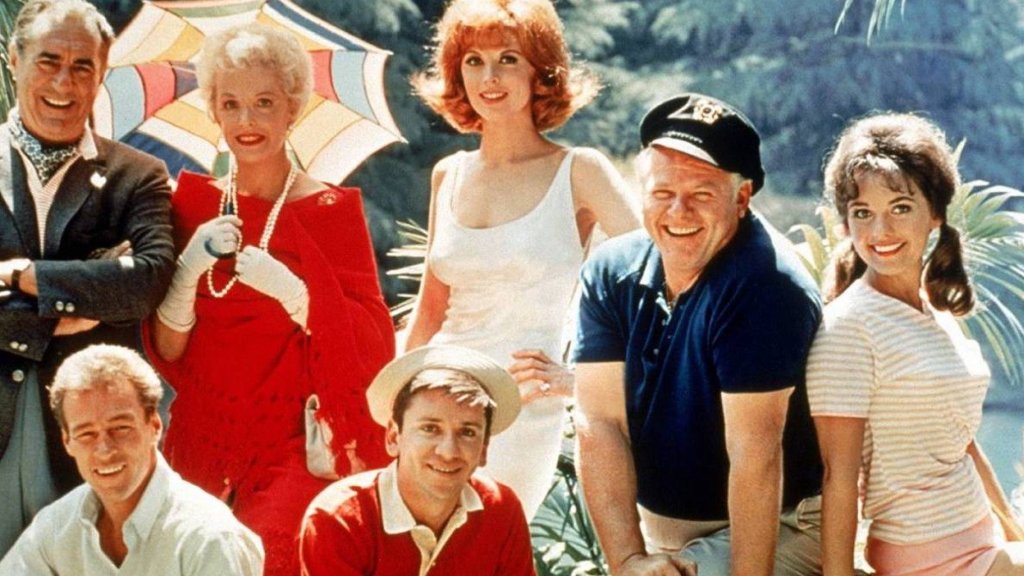
Whether the Skipper is fashioning a phone out of a coconut, or the group is trying to break out of Gilligan’s jail, people from all walks of life are encouraged to find the humanity within all of them to work together. With “no phone, no light, no motorcars, not a single luxury,” as the theme song suggests, the castaways must work with nothing but one another to find their way out of captivity.
This is part of the social commentary Schwartz was speaking about. He wanted the show to symbolize people coming together for a common purpose and he wished it would happen on the international stage.
Furthermore, Gilligan is a prime representation of the fact that forgiveness and love comes to anyone whose heart is in the right place. Though he always so desperately wanted to help the group, Gulligan constantly found himself foiling his own plans.
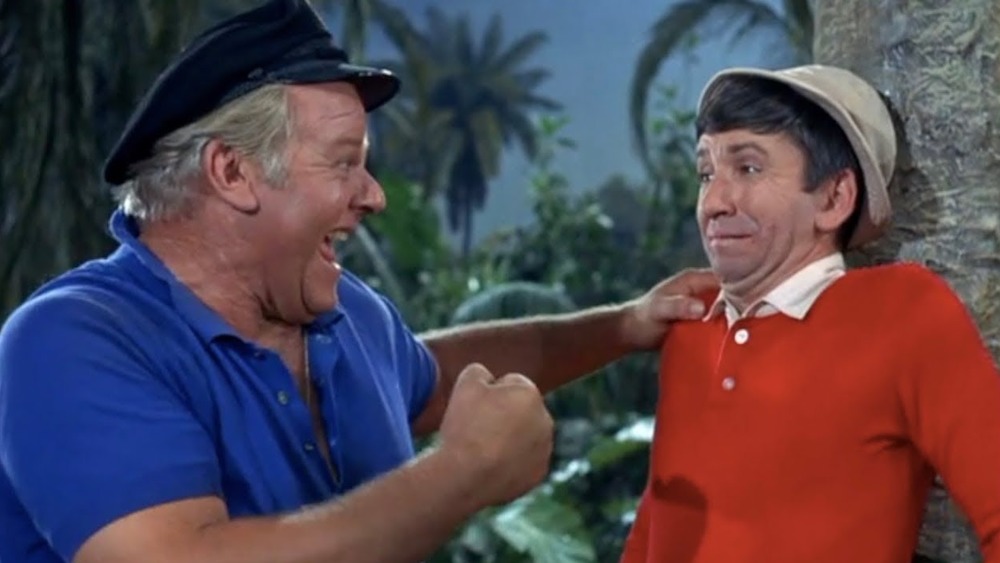
While conventional wisdom suggests that “the road to Hell is paved with good intentions,” “Gilligan’s Island” would suggest that good intentions are more important than any good actions. No matter how many plans he ruined or annoying jokes he delivered, the castaways cared more about Gilligan than about leaving the Island.
Caring about your neighbors and working together toward common goals represent such simple themes. Even with a political message, there is no overt and overwhelming sensation that one is being lectured at while they watch the comedy.
Wholesome lessons that don’t take political sides, but the side of humanity, once again won out in the eyes of audiences everywhere. Though the show was canceled prematurely, and no one knows whether or not they made it off the island, one can only hope the best for those seven stranded castaways, there on Gilligan’s Isle.

 The Beat @APU