
What the creation of another Cinderella story says about our culture, and how you can fight it.
**Spoiler Alert**
Think back to the last movie you saw. Was it a thriller? A feel-good? Was it with friends in a theater? Maybe it was just whatever Netflix recommended that night. Whatever it may have been, it influenced you in some way. Negative, positive or a little of both, movies shape our perspectives.
Movies represent a shared space in a given cultural sphere. Whether you went out with your friends to see the premiere of Avengers: Endgame, you were team Edward or Jacob or you are a die hard James Bond fan, it is movies that tie us together, teach us lessons and give us societal bonds to hold on to.
This is why it can become such a problem for movies to become overtly political. This is evidenced in the most recent Amazon adaptation Cinderella. The film is a star-studded rendition of the classic old tale with performances from Minnie Driver, Camilla Cabello, Pierce Brosnan and others.
There were many flaws with the latest Amazon release, but none were more unforgivable than the fact that Cinderella drifts so far from the original iteration of the movie that it should not call itself by the same name.
The revisions to the script include Cinderella not aiming to simply “have courage and be kind,” but instead to be a working woman who follows her dreams at any cost. In this case, Cabello’s Cinderella wishes to be a designer who travels the world. The step-mother also gets slightly more depth in this adaptation when we find out she is a woman whose dreams were stifled by a strict husband.
The theme of feminism runs throughout the film as the king and queen also have their fair share of disagreements over everything from whose throne is taller to whether their second-born daughter should have the right to rule.
Here we run into the main problem with “Cinderella” presenting a false diachotomy: feminism does not have to come at the cost of wanting to fulfill dreams that may be traditionally more feminine.
Throughout the movie the step-mother is seen singing to her two daughters about why they need to marry for money and status, not for love. Though her daughters question her and wonder why that could be, there is no resolution to the plotline. We do not see the sisters marry either for love or for status—though we can all guess how this kind of “happy ending” movie would have completed their stories.
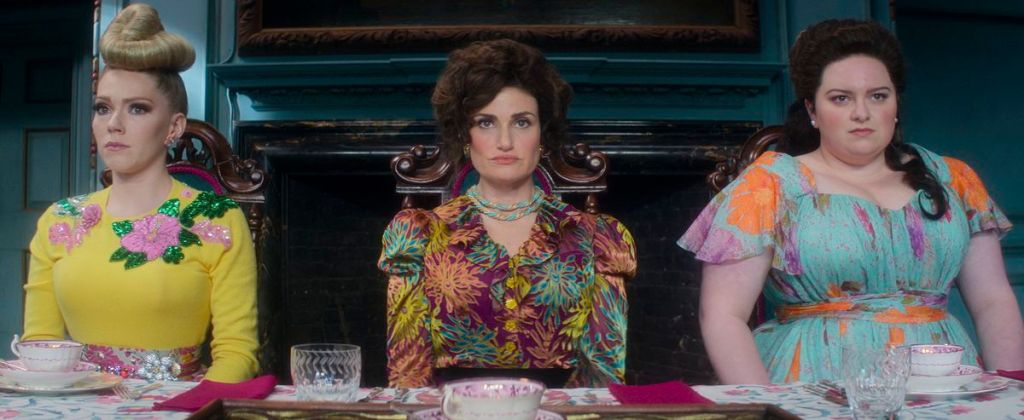
The two step-sisters, in this film, represent the more traditional woman: young, wanting to marry for love and hoping to live a simple life. Instead of finishing their stories, they remain unused, ignored and unsatisfied at the end.
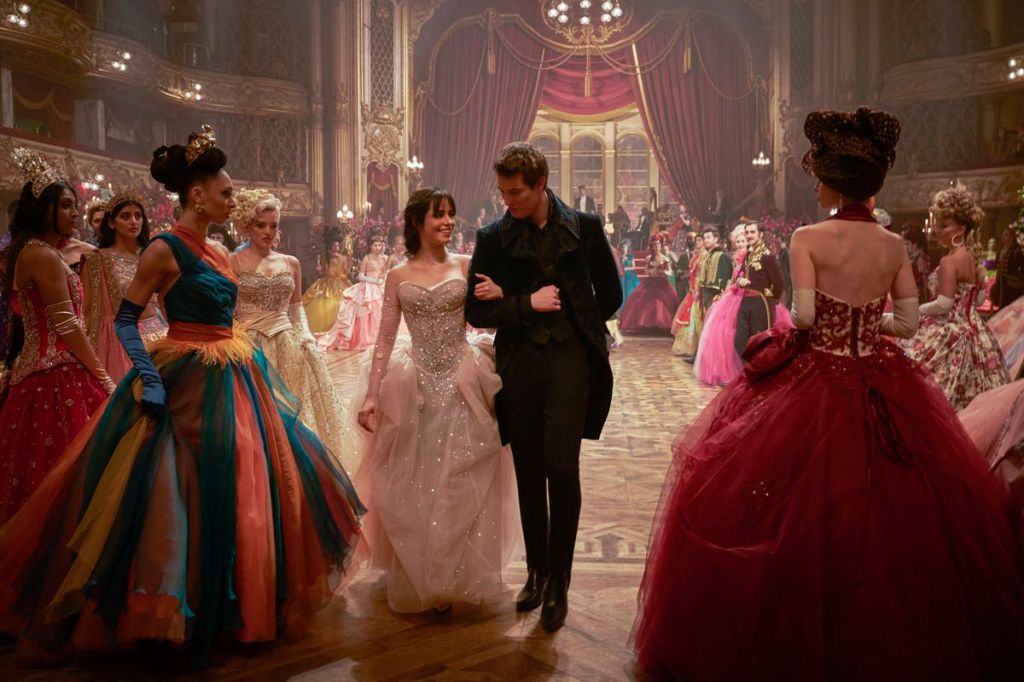
In contrast, Cinderella is glorified for her “untitled” relationship and traveling the world to pursue her dreams at the cost of her “untitled partner’s” kingship. Cabello, representing the more modern woman with her ambition, career goals and free spirit, receives all the praise, and a bow-tight ending.
So, are both of these endings not equally worthy of praise? Can one not salute the hard-working woman while also being grateful for the want-to-be stay at home mom?
But why is this important anyways? What does an Amazon adaptation of Cinderella really matter?
Because it is movies that tie us together. It is old classics that teach us timeless lessons. It is watching universes end and begin again as a society that gives us something in common.
With movies so overtly pushing a political message, one that you agree with or not, what remains for societies to cling to?
There are few ways left to keep this society from fracturing entirely, and having movies such as this one tear us apart before we have the chance to enjoy them as a work of art is only exacerbating the problem.
Movies have long been an artform used to spark political discussion while also being entertainment. This is not a suggestion that is inappropriate. This is merely a suggestion that if you want to comment on social ills, try something more creative. The world did not need a more woke version of one of the most classic Disney princesses ever. Be different, be creative, be new.
For the love of art, stop retelling stories and make your own. Please.

 The Beat @APU