
What “Full House” can teach us about the importance of family.
I am not going to lie to you. Choosing just one sitcom to talk about that began and ran in the 80s was nearly impossible.
I could talk about the one where everybody knows your name (“Cheers”), the one that made political commentary fun (“Family Ties”), or even the classic silver-haired four friends (“Golden Girls”). Each of these has left a permanent hold on society in one way or another, and yet I just could not bring myself to dedicate an entire post to them. So instead, I am going to spend the next two weeks in the mid-80’s and early 90’s talking about the shows that left the biggest impressions on me.
This week, we shall start with the show that, to my surprise, began running in 1987, “Full House.” For those of you who, for any reason, don’t know the premise of “Full House,” it is a family of six living in a San Francisco apartment just going through life’s challenges. The family is made up of Danny Tanner (the late Bob Saget), the widowed father of D.J. (Candace Cameron Bure), Stephanie and Michelle, his brother-in-law Jesse and his best friend Joey, who help him raise his daughters.
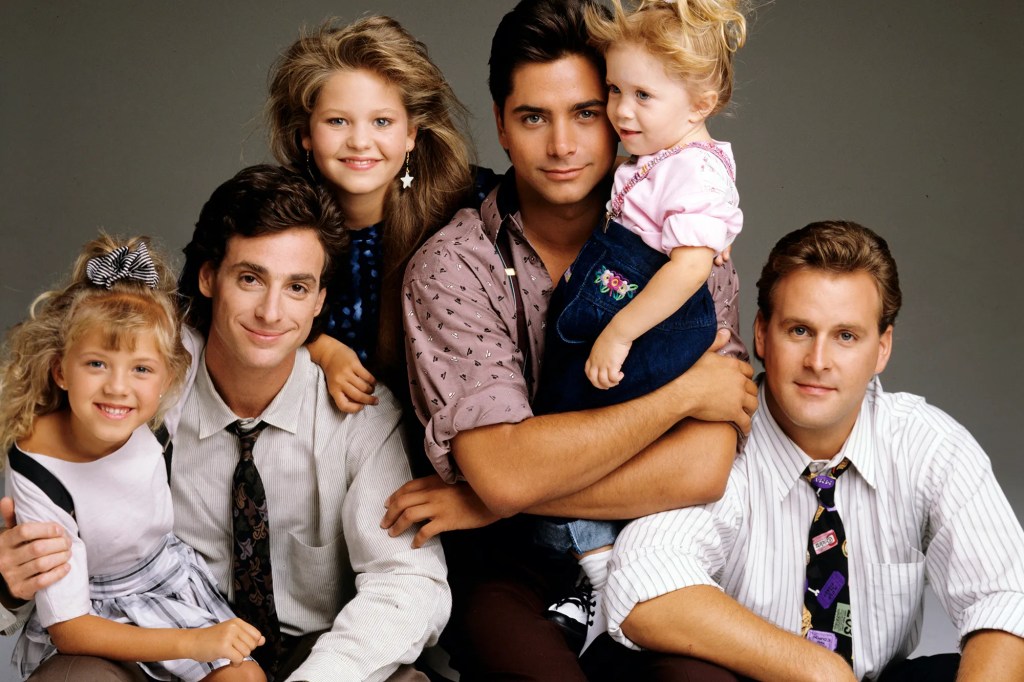
The show deals with a variety of family issues from girls wanting their independence, to the struggle of raising a family. The cute but corny sketches are interwoven with funny catch phrases such as D.J.’s “Oh my lanta,” Michelle’s “You got it dude,” and Joey’s “Cut. It. Out.”
What is interesting about this show is that the main reason it has lasting lessons today is almost a reason it did not exist. The show was originally pitched as the “House of Comics,” with three comedians living in the same house. But since “Family Ties” was such a hit, ABC wanted a show with a family element. Thus, three comical father-figures were born.
But what of the lessons of the show? How are they relevant today?
The show places a heavy emphasis on what family actually means. Family is not just about the individuals living under one roof, but it is about the people that you want to keep in your life and that actually support you.
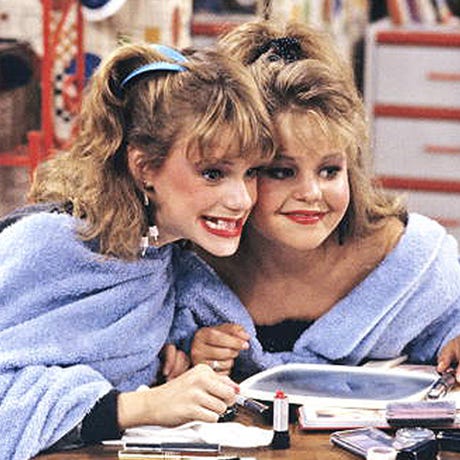
Many times throughout the show, actors were added on because of the impression they left on cast members. Both Aunt Becky and Kimmy Gibbler were late regulars to the show because of their short stints that left directors impressed.
People has gone so far as to describe this life lesson as “family is forever.”
At the end of nearly every single episode I can recall one of the adult figures sitting down with one of the girls to give them advice, provide a lesson, or explain why something they did was wrong.
The show promotes a healthy and open dialogue about what it looks like to parent without being overbearing. “Full House” also shows its progressive nature by not forcing a gender stereo-type on the parents, but by having three men raise three young women. All of this demonstrates the importance of healthy family structures.
The show has led to a spin-off called “Fuller House” where D.J. raises three sons of her own with her sister and best friend Kimmy. Though more craziness happens, the plot remains the same: family is forever. And well if it isn’t, have mercy!

 The Beat @APU