The more documentaries I watch for this blog series, the more impressed on me is the fact that there is so much danger in stereotypes and focusing on just one story about people. However, that is exactly what happens so many times to people from the Appalachian mountains. The term hillbilly is built on the idea that people who are from a certain place or talk a certain way are less than or don’t deserve the same respect simply because of a single story and stereotype that has been projected onto all of them.
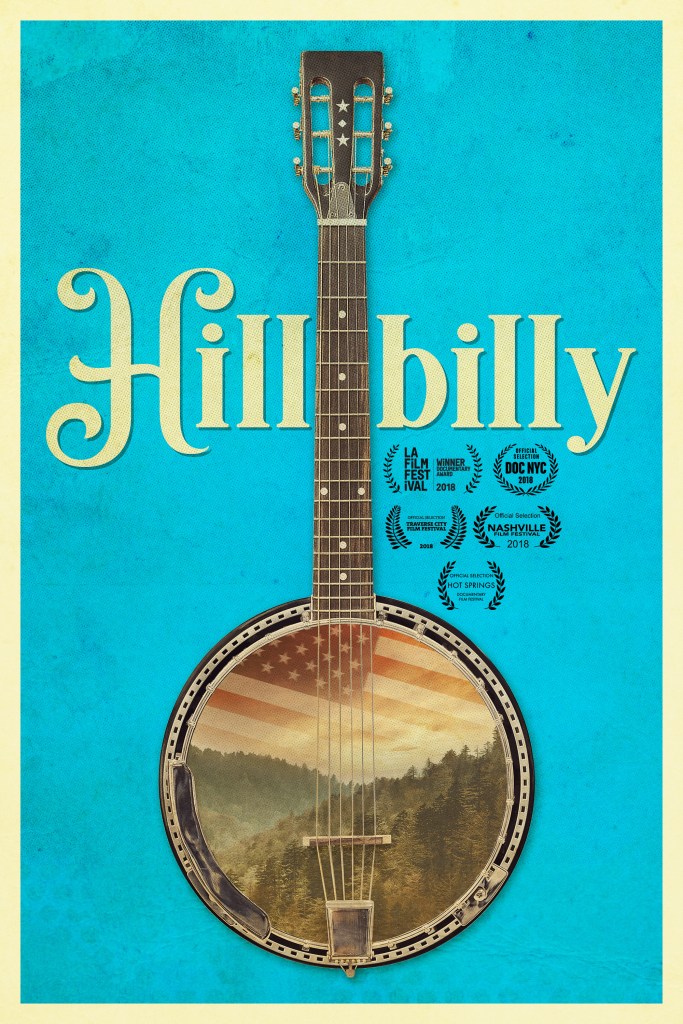
The documentary Hillbilly, which was released in 2019, focuses on several different aspects of one overarching topic: the discrimination that people from many different counties in Kentucky face because of the stereotypes that define them to the rest of the country. They struggle with the same things has many people in urban areas such poverty and big corporations controlling their livelihood. However, they are termed “hillbillies” or “white trash” because of the place they live in or the accent they carry.
One of the main characters in the film is Ashley York, a filmmaker from Los Angeles who travels back to her childhood home in Kimper, Kentucky during the time leading up to the 2016 presidential election to talk to her relatives about their political views. Her’s contrast sharply with theirs, which aline with many others’ throughout that region. There is a large political divide between the parties over whether the coal mines in those areas should continue running and providing essential jobs for the people living in that region.
Another large focus of the film was the exploitation of resources from these parts of Kentucky, such as coal. Because of the poverty of the people, big companies are enabled to gain power through controlling jobs and wages while the people are unable to combat them without risking losing everything. The overuse of the natural resources, however, gave way to widespread flooding and devastation to homes and people’s lives.
So much of the problem of the stereotypes surrounding people from these parts of Kentucky is the wrong representation of them in the media as lazy, rough, and uncivilized. This, in turn, feeds into the view that simply because these people didn’t grow up in an urban environment, that they are lesser citizens or uneducated. These harmful misrepresentations of this area of the country many times causes the news coming out of these counties to be overlooked or deemed unimportant. It is dismissed off the grounds that the people living there seem less important than the poverty and tragedy happening in large cities.
I thought this documentary did a good job of portraying the prejudice against people because of their accent or where they are from. I also thought it was interesting how the film displayed issues with a sympathetic light towards those from a misunderstood, misrepresented area while at the same time not dismissing the fact that many people in the area are still very biased against gay and black people. The documentary found a balance between telling a story to bring to light a people that didn’t have a voice before while not exonerating them from everything. It also incorporated perspectives from people of color and those in the LGBTQ+ community in a well rounded way.
Overall, this documentary was very well made. I did think it jumped around quite a bit to multiple different stories and I thought it would have been more powerful if it had just stuck to one and gone in depth on that one. However, the numerous stories offered a variety of perspectives and painted a more broad picture of the Appalachian area, which had an important impact and told essential, meaningful stories.

 The Beat @APU
Have you seen Hillbilly Elegy? The autobiographical book was so powerful. It is on netflix.
LikeLike
I have not seen it but it did come up in some of my research and looked very interesting, I’ll have to check it out!
LikeLiked by 1 person